✦ Top Casinos



























Binders: The Quiet Workhorse of a Well-Kept Card Collection
For anyone who collects trading cards, storage is not a boring afterthought. It shapes how often you browse your collection, how safely cards travel, and how quickly you can find a specific card when a trade comes up. A binder is one of the simplest tools for all three jobs. It keeps cards visible, sorted, and easier to handle than a loose stack or a crowded box. The right binder can make a collection feel organized; the wrong one can create bends, scuffs, and frustration. A little attention at the buying stage goes a long way.
Why a Binder Belongs in Every Collection
Cards can survive in boxes, but boxes are not built for browsing. A binder lets you flip through pages, compare artwork, and show off favorites without pulling everything out. That matters for active collections, set building, and trade stock. It also adds a layer of routine protection: cards sit in fixed pockets instead of sliding against each other. A binder is not a magic shield, so cards should still be sleeved when appropriate, and high-value pieces may deserve separate rigid storage. Used well, though, a binder turns a pile into a collection you can actually enjoy. It also makes it easier to spot gaps in a set or notice duplicates before they pile up.
Pocket Counts and What They Change
The first practical choice is pocket layout. Compact binders with four pockets per page are easy to carry, good for small trade selections, and simple for younger collectors to handle. Nine-pocket pages are the familiar standard for set binders and general display, offering a clear overview without making the binder too bulky. Larger twelve-pocket binders hold more cards per page and suit collections that are growing quickly, but they are heavier and less portable. Bigger is not automatically better. A large binder that stays at home can be excellent; a smaller one that travels to game night may get more use. Think about how you will browse, store, and carry the binder before choosing a layout. If you mainly sort at a desk, capacity may win; if you trade on the move, compactness usually matters more.
Materials, Pages, and Protection
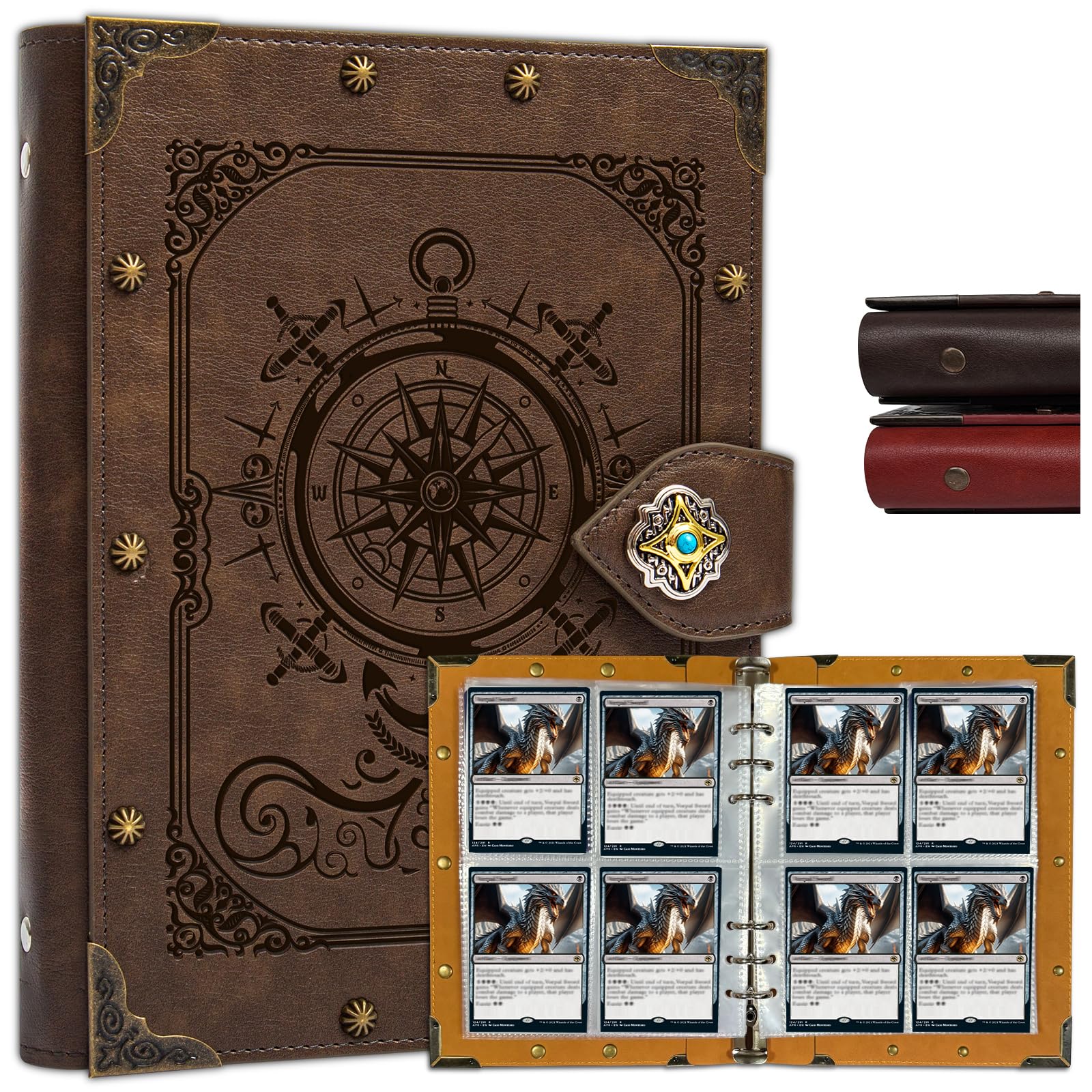
A binder is only as good as the pages inside it. Look for pages that are clear, sturdy, and smooth enough that cards do not catch on the edges. Side-loading pockets can help keep cards from slipping out, while top-loading pages are straightforward for quick sorting. If you use toploaders for thicker or more valuable cards, check that the binder is designed to accept them; standard pages may not fit rigid holders comfortably. Sleeving cards before they go into pockets is a sensible habit, especially for foils and cards you handle often. Avoid cramming extra cards into a pocket or forcing pages flat. That pressure can leave marks and weaken the binder over time. Also inspect the seams and page rings, if any, because a weak connection can turn a protective page into a source of wear.
Closure, Portability, and Daily Use
The cover and closure affect how well a binder survives real life. A zippered binder offers more protection from dust, spills, and loose cards during transport, while a simpler folio may be lighter and quicker to open at a table. Color choices can be practical as well as personal: separate colors for trade stock, personal favorites, and set projects make a shelf easier to read. Portability matters, too. A binder that lives in a bag needs a firm cover, reliable pages, and a size you can carry without treating it like fragile cargo. Keep binders away from heat, damp, and direct sun, and give pages time to settle instead of overfilling them. When a binder starts to bulge, it is usually time to split the collection or move some cards into another home.
Matching the Binder to the Collection
Before buying, define the binder’s job. Is it a trade binder for cards you are willing to move? A set binder organized by release? A safe home for favorite artwork? A display binder for casual flipping? Each role points to a different size, page style, and closure. It also helps to leave room for growth. A binder packed to the limit is hard to use and offers less protection. Check the pages periodically, replace any that look stretched or cloudy, and keep the binder closed when it is not in use. A modest amount of planning keeps cards safer and makes the collection more pleasant to share. If one binder is for browsing and another is for storage, label them clearly so the whole system stays easy to maintain.
A binder does not need to be complicated to be valuable. It should match how you collect, protect the cards inside, and make browsing easy. Choose a sensible pocket layout, pay attention to page quality and closure, and avoid the temptation to overstuff. With those basics in place, a binder becomes one of the most useful pieces of gear in the hobby.

Related Posts
No Deposit Bonuses: A Useful Start, Not a Free Lunch
A no deposit bonus gives you a chance to try a casino without putting money in first. It may arrive as bonus credits, free spins,...
A Clear Path From Casino Registration to First Login
Often called Anmeldung on German-language casino pages, registration is the doorway to everything that follows. It is not just a f...
Playtech Casino No Deposit Bonuses and Codes: The Best Ones Are the Ones You Understand
Playtech-powered casinos appeal to players who want a wide mix of games, from slots and bingo to video poker and table options. A...
The Bonus Looks Generous—Until You Read the Playthrough Rules
Casino promotions are built to catch the eye. Complimentary spins, matched deposits, and cashback offers can make a bonus seem lik...
Casino Bonus Terms, Translated: What Wagering, Cashout Caps and Other Jargon Really Mean
A casino bonus can look generous until the terms page turns into a wall of unfamiliar phrases. The good news is that most offers r...
Comments 6
Leave a comment